June 2026 / PADDLING
Nautique Boat Company
Wake Boating: New Rules in Place
By Abigail Caron
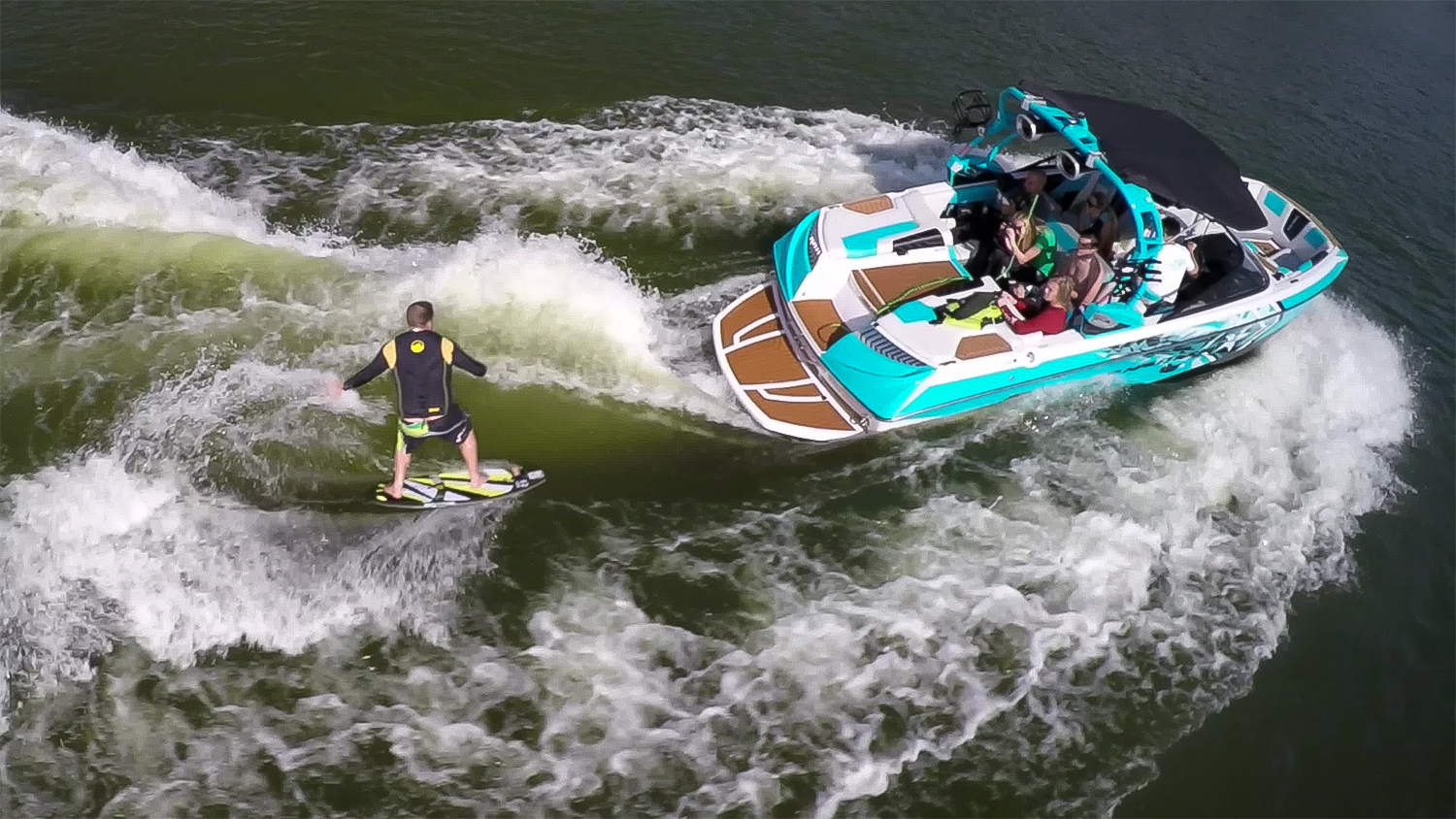
Spending time at “the lake” is a quintessential part of a New England summer and for many, that includes motorboats zipping by with a tube or waterskier in tow. In recent years, wake sports such as wakesurfing and wakeboarding have surged in popularity, bringing specialized motorboats called wake boats onto the scene. Some lake-goers say that these new boats enhance their lake activities by creating bigger wakes to ride. For many, however, wake boats are a cause for concern. In 2024, due to environmental and safety concerns, Vermont restricted wake sports to 30 lakes across the state- the tightest regulations in the country. Now, as of June 11, 2026, the state has implemented even stricter rules regarding wake boats and wake sports.
Umiak Outdoor Outfitters
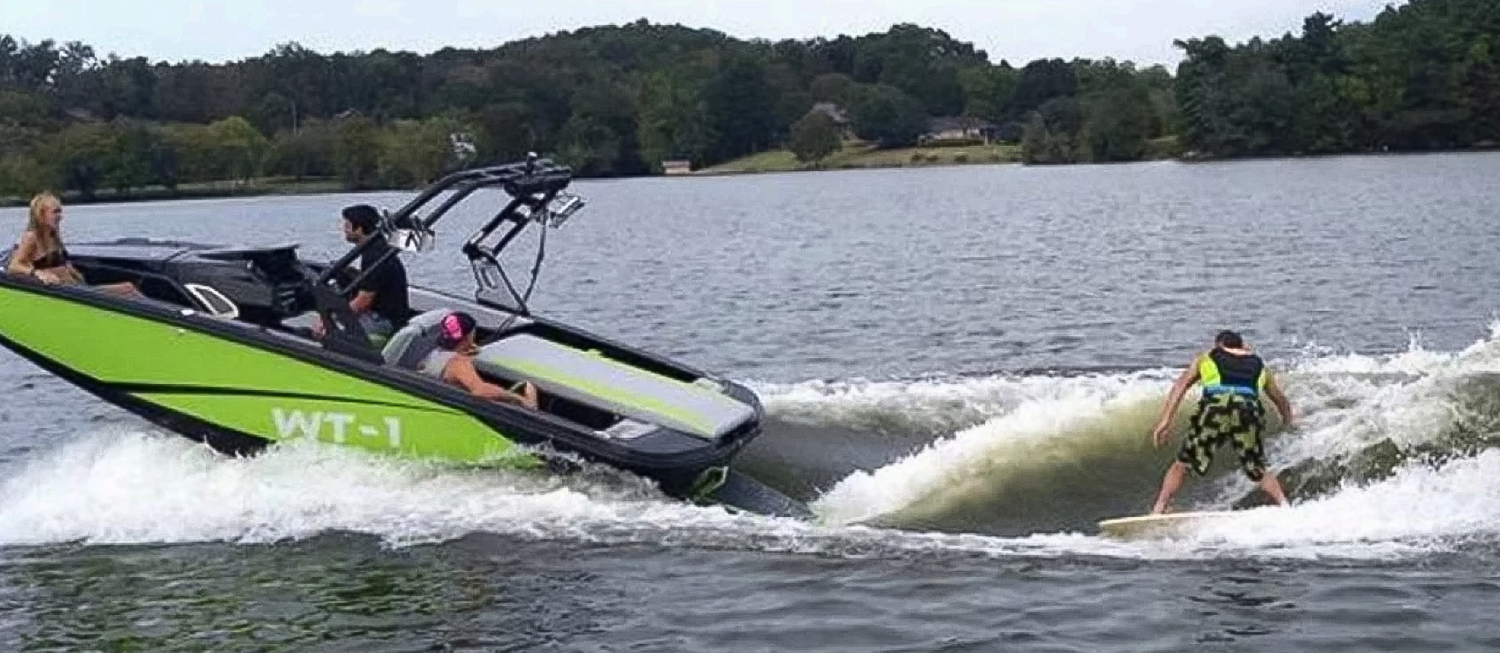
According to the Department of Environmental Conservation (DEC), a wake boat is defined as “a motorboat that has one or more ballast tanks, ballast bags or other devices or design features used to increase the size of the motorboat’s wake.” These boats produce large wakes so that people can ride the artificial waves on surfboards, wakeboards, hydrofoils, or similar devices. In addition to their internal ballast systems, which can hold between 200 and 600 gallons of water on average, these boats are equipped with a deep hull and wake-shaping attachments. The ballast tanks allow the rear of the vessel to sit lower in the water, generating more displacement and a larger wake. It is important to note that wake boats can operate as typical motorboats when the ballast system is not in use.
The introduction of stricter regulations this June follows a flood of public concern regarding wake boats’ effects on the environment and the safety of fellow lake-goers. Of the original 30 lakes where wake sports were allowed in Vermont, nearly half of those communities petitioned to ban wake boats from their lakes.
Those in opposition to wake sports cite a study conducted by the University of Minnesota that concluded that waves generated by wake boats “require distances greater than 500 feet from the shoreline/docks and other boats to decrease their wake wave characteristics to levels similar to the non-wakesurf boats.” Other studies have found that waves generated by wake boats contain 2 to 10 times the amount of energy than the waves produced by traditional motorboats. More powerful waves have been shown to increase erosion of the shoreline and disturb wildlife. Loons, for example, rely on placid shores for nesting and may be sensitive to increasingly choppy waters.
Additionally, the Green Lake Association of Wisconsin has established that the propeller slipstream that wake boats expel can disrupt lake-bottom sediment and aquatic plant beds in shallow depths. Shoreline erosion coupled with lakebed disruption releases phosphorus into the water, stimulating algae growth and an overall deterioration of water quality. A wake boat’s ballast system also makes an ideal spot for aquatic invasive species (AIS) to hide and be transferred between bodies of water as it is difficult to properly drain the tanks; an average of 5 gallons of water remains after typical draining.
While the available studies provide important information on the environmental effects of wake boats, it is only the beginning of research being done in this area. In fact, wake boat enthusiasts say that until more research is done, the stricter rules don’t seem to make sense.
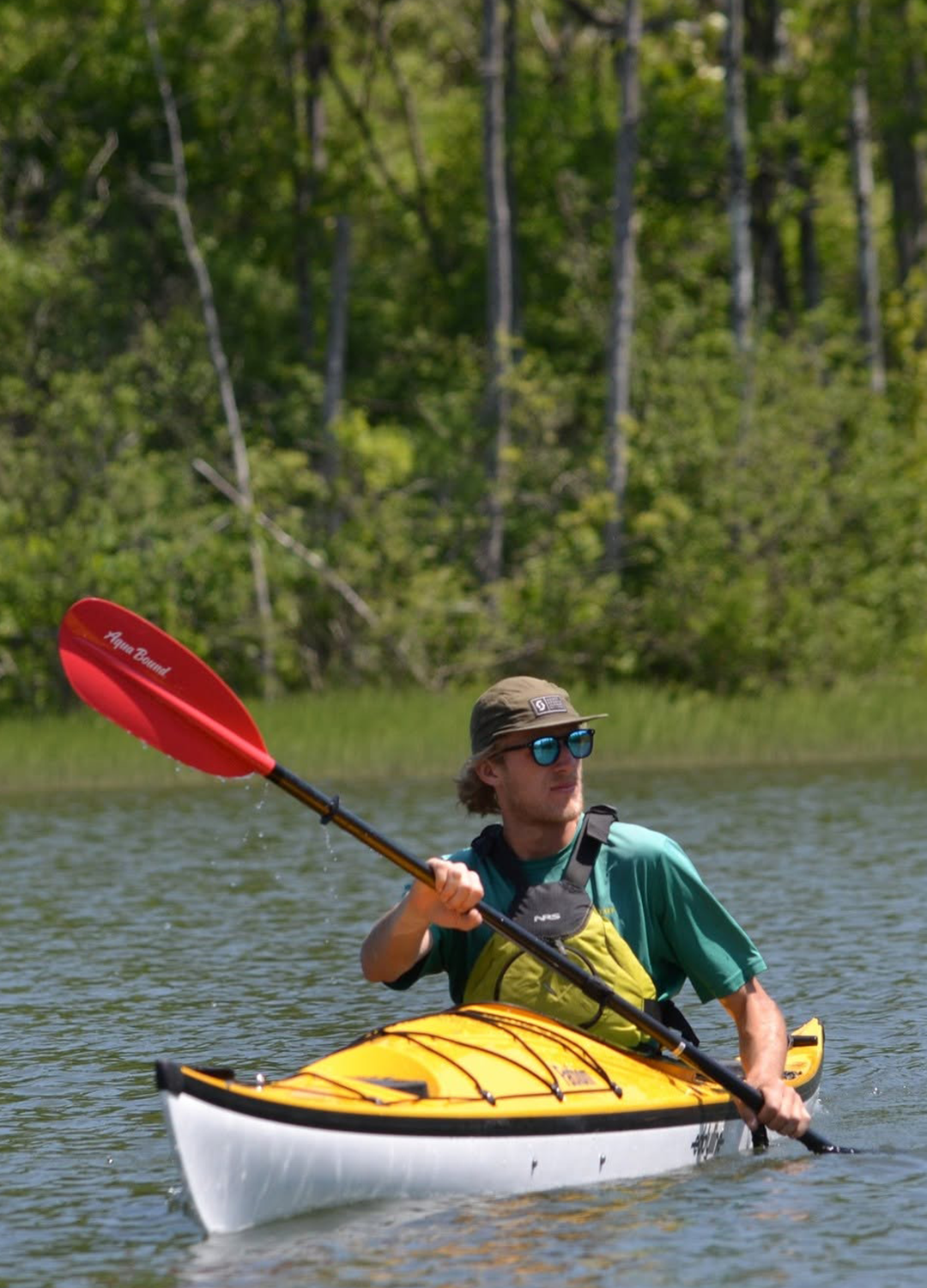
The safety of others recreating in public waters has been brought up as a concern as well, however. Paddlers, swimmers, and even those with small motorboats have reportedly been swamped by the large waves produced by wake boats. Lakefront property owners have cited damage to their docks due to the force and height of the waves.
Vermont Department of Environmental Conservation
The voices of Vermont’s lake communities ultimately urged the state’s Legislative Committee on Administrative Rules to approve the changes to wake sport regulations in a five to three vote at the end of May, just in time for boating season. The new rules further regulate the decontamination of ballasted boats, the lakes and locations where wake sports may occur, and the safety offsets required for wake sports.
There are now 18 inland lakes and ponds in Vermont where boaters can participate in wake sports. Each of these bodies of water have designated wake sports zones, addressing the growing concerns regarding erosion and lakebed disruption. Cross-boundary waterways (Lake Champlain, Lake Memphremagog, the Connecticut River reservoirs, and Wallace Pond) do not have designated wake sports zones, though the DEC emphasizes that best practices for wake sports still apply – remain at least 500 feet from shore and in areas deeper than 20 feet. For wake boats creating enhanced wakes, there is a safety offset of 500 feet from other recreational users; this same regulation applies to signed loon nests during nesting season (May 1 through July 31). If a wake boat is operating without a filled ballast, the default 200-foot safety offset applies.
In addition to existing Clean, Drain, Dry regulations, the DEC outlines stricter decontamination regulations for ballasted boats, involving pressure and temperature requirements for cleaning the interior and exterior of the vessels. Decontamination Stations for ballasted boats are available at the Lake Champlain Basin Boat Launch Steward locations in Colchester, South Hero, Shelburne, and Charlotte.
The changes approved on June 11 only apply to wake boats with ballast systems and not to traditional motorboats. While reactions to the new rules are varied, many applaud Vermont for the actions they have taken to protect the state’s lakes.
For more information on the new regulations and to view wake sport zone maps, visit dec.vermont.gov.
Abigail Caron (abigail@adksports.com) is an editor for Upstate Sports and Vermont Sports magazines. She enjoys any time that she can spend outside and is often found cycling, running, hiking, or skiing. Abigail also loves to spend time with her cat, Brick, and her dog, Leo. She recently graduated from Champlain College and now lives in Vergennes, VT.