September-October 2026 / NON-MEDICATED LIFE
Health and Convenience
By Paul E. Lemanski, MD, MS, FACP
Medications are a mainstay of American healthcare not only because people believe they help, but because well-designed clinical trials have demonstrated meaningful benefits for specific conditions. Depending on the medication and the patient population, pharmacologic therapy can reduce the risks of type 2 diabetes, myocardial infarction, stroke, cardiovascular death, and, in selected settings, certain cancers.
In the previous installments of the Non-Medicated Life, I have argued that a healthy diet and lifestyle can provide many of the same preventive benefits associated with medications for chronic disease. This is not an argument against appropriate medical treatment. Rather, it emphasizes that lifestyle measures are often a powerful foundation for prevention and may reduce overall risk for many individuals.
This column has emphasized a predominantly whole-food, plant-based eating pattern, such as the Mediterranean diet. The practical challenge is clear: Americans value convenience, and healthy eating must be convenient enough to sustain. Fortunately, with planning, it is possible to prepare nutritious meals efficiently – without making food preparation a second job.
Why Convenience Matters – Fast-food restaurants have expanded in part because many households have limited time for grocery shopping and meal preparation, while cooking skills and confidence have declined. The demand for convenience has also produced a large market for highly processed frozen foods, boxed meals, canned products, and refined meat substitutes.
Convenience foods can fit into a healthy dietary pattern, particularly frozen vegetables, canned beans with no added salt, and minimally processed prepared foods. However, many packaged products contain elevated levels of sodium, refined carbohydrates, saturated fat, additives, or preservatives. These ingredients may improve shelf life, flavor, color, and texture, but they do not necessarily improve nutritional quality.
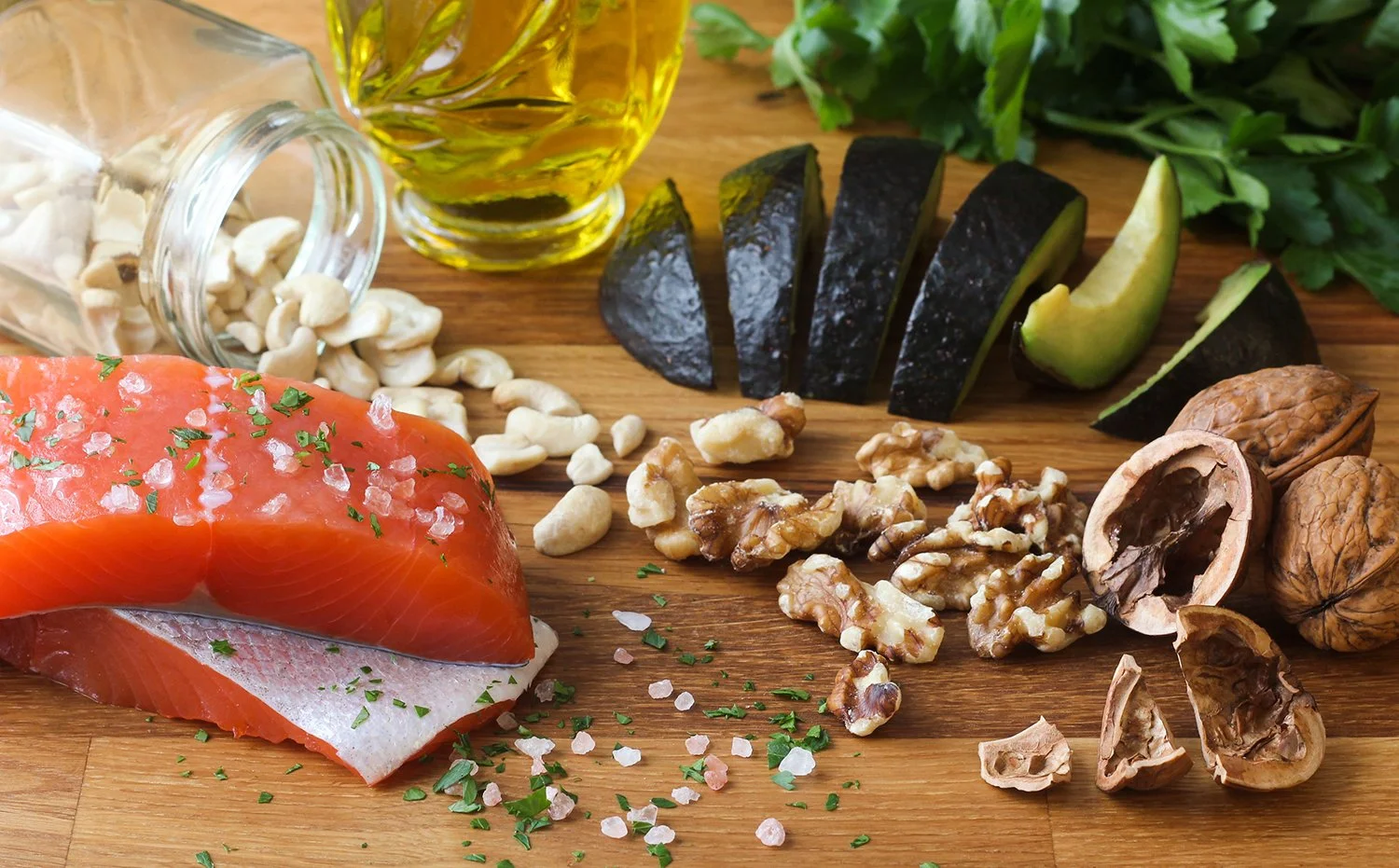
A Practical Mediterranean Pattern – A Mediterranean-style eating pattern emphasizes minimally processed foods, including vegetables, fruits, beans, nuts, seeds, whole grains, and extra-virgin olive oil. It may also include modest amounts of fish, poultry, dairy, and lean meat.
This pattern is generally high in fiber and unsaturated fats and lower in refined sweets and saturated fat. When followed consistently, it is associated with improved LDL cholesterol and glycemic control, as well as lower cardiovascular risk. The key question is not whether this pattern is healthy, but how to make it realistic during a busy workweek.
Convenience has three components: 1) Obtaining ingredients efficiently, 2) Preparing food with minimal time and effort, and 3) Storing prepared food safely for later use.
Shop Efficiently – For people with limited time, online grocery ordering and home delivery can reduce the burden of shopping. Planning one or two grocery deliveries per week can make it easier to keep fresh ingredients available without frequent trips to the store.
Vegetables can be rinsed under running water and stored in the refrigerator; onions and garlic are usually better kept in a cool, dry location outside the refrigerator. Leafy greens can be washed, thoroughly dried in a salad spinner, and stored in a sealed container for convenient use throughout the week. Produce-storage systems (Blue Apple) that reduce exposure to ethylene gas may extend the usable life of fruits and vegetables.
Aim for variety, especially vegetables of assorted colors. Cruciferous vegetables are particularly worthwhile and include broccoli, broccoli sprouts, cauliflower, cabbage, Brussels sprouts, kale, radishes, and turnips. Red cabbage is an especially useful option because it is inexpensive, stores well, and contains anthocyanin pigments.
Fruit should be washed before eating, with berries serving as an excellent routine choice. Blueberries, blackberries, raspberries, and other deeply colored fruits contain anthocyanins and other polyphenolic compounds. Frozen berries are a convenient alternative when fresh fruit is unavailable or expensive.
Choose Protein Wisely – If red meat is included, choose leaner cuts and keep portions moderate. Examples include filet mignon, flank steak, and London broil. A reasonable serving is approximately four ounces, with red meat used less often than plant proteins, fish, or poultry.
Fish can be an excellent source of protein and omega-3 fatty acids. Lower-mercury choices include sardines, mackerel, anchovies, salmon, and herring – the acronym “SMASH” can help you recall these choices. Larger predatory fish, including some tuna species, tend to accumulate more mercury and are best consumed less frequently.
For poultry, skinless chicken breast is a lean and versatile option. Beans, lentils, chickpeas, tofu, nuts, and seeds should also be regular protein sources, particularly because they add fiber and beneficial unsaturated fats.
Batch Cook Strategically – The greatest gain in convenience comes from planning meals and batch cooking once or twice per week. Preparing a large pot of soup, beans, lentils, chili, roasted vegetables, or a whole-grain dish on the weekend can reduce weekday meal preparation to reheating foods and assembling a meal.
Store prepared food in appropriately sized containers in the refrigerator or freezer. Glass containers with silicone lids are a useful choice, particularly for reheating, because they are durable and reduce reliance on plastic food containers. Label and date frozen meals so that they are used in a timely manner.
A well-stocked pantry makes healthy cooking much easier. Useful staples include extra-virgin olive oil, balsamic vinegar, low-sodium soy sauce, canned tomatoes or tomato sauce with minimal added sugar and sodium, low-sodium vegetable or chicken stock, beans, lentils, chickpeas, and whole grains, herbs and spices, including turmeric, oregano, curry powder, garlic powder, and onion powder. These ingredients can quickly become soups, sauces, grain bowls, vegetable dishes, or marinades.
Use Helpful Equipment – Kitchen tools can substantially shorten preparation time. Pressure cooker or Instant Pot: useful for oatmeal, beans, lentils, soups, braised dishes, and one-pot meals. Slow cooker: allows meals to cook gradually with minimal supervision and may be useful for soups, stews, and tougher cuts of meat. Sous-vide cooker: provides controlled low-temperature cooking and can be useful for lean proteins; foods should still be handled and stored safely. Coffee grinder reserved for seeds and spices: convenient for grinding flaxseed, chia seeds, or spices. Glass or stainless-steel blender: useful for smoothies, soups, sauces, and salad dressings. Salad spinner: makes washed greens more likely to be used rather than discarded.
Cooking at lower temperatures and avoiding excessive charring can help limit formation of potentially harmful compounds associated with high-temperature cooking. When grilling or searing meat, avoid burning the surface and use gentler methods such as roasting, braising, steaming, or stewing more often.
Make Weekdays Easier – If grocery shopping, meal planning, and batch cooking are completed on the weekend, weekday lunches and dinners can often be assembled in 15 to 20 minutes. A typical meal might include a prepared bean or lentil dish, roasted vegetables, a salad with a simple olive-oil-based dressing, and fruit.
Freezing extra portions is one of the most effective ways to create variety without additional weekday work. For example, prepare enough of a soup, stew, chili, or grain-based dish for several meals, freeze part of it, and rotate it back into the menu in later weeks.
Healthy eating does not require perfection, elaborate recipes, or hours in the kitchen. It requires a practical system: reliable ingredients, a few efficient cooking methods, and prepared meals ready when time is limited. With that system in place, nutritious food can become one of the most convenient options available.
Paul E. Lemanski, MD, MS, FACP (plemanski3@gmail.com) is a board-certified internist practicing internal medicine and lifestyle medicine in Albany, NY. Paul has a master’s degree in human nutrition, he’s an assistant clinical professor of medicine at Albany Medical College, and a fellow of the American College of Physicians.